

Whether you’re relocating to Durban, Gqeberha, Cape Town, Ballito, or any other beautiful coastal town, moving to the coast comes with plenty of lifestyle benefits. Ocean views, fresh sea air, and a more relaxed pace of life are just a few.
But while the coastline is great for people, it can be surprisingly harsh on your furniture.
High humidity, salty air, and moisture can cause wood to warp, metal to rust, leather to crack, and fabric to develop mould if your belongings aren’t properly protected during and after the move.
The good news? A little preparation goes a long way. Here’s how to keep your furniture looking its best when moving to the coast.
Quick answer
If you’re moving to the coast, protect your furniture by using quality packing materials, keeping items dry during transport, allowing furniture to acclimatise before unpacking, controlling indoor humidity, and regularly maintaining wood, leather, and metal surfaces to prevent moisture and salt damage.
Why coastal homes are tough on furniture
Living inland usually means your furniture only has to deal with normal temperature changes.
Coastal environments introduce two additional challenges:
- Higher humidity
- Salt carried in the air
Together, these create the perfect conditions for:
- Wood expanding and warping
- Metal rusting faster
- Leather drying or developing mildew
- Upholstery absorbing moisture
- Mould growth in cupboards and storage areas
Fortunately, most of these issues are preventable.
Common furniture risks when moving to the coast
| Furniture Type | Coastal Risk | Protection Tip |
|---|---|---|
| Wooden furniture | Swelling, warping, cracking | Apply furniture polish and avoid direct moisture |
| Metal furniture | Rust and corrosion | Clean regularly and use protective coatings |
| Leather furniture | Drying, mildew | Clean regularly and use protective coatings |
| Fabric couches | Damp smells and mould | Ensure good ventilation and use moisture absorbers |
| Mattresses | Moisture build-up | Keep elevated and allow airflow underneath |
Protect Furniture with Heavy-Duty Moving Blankets
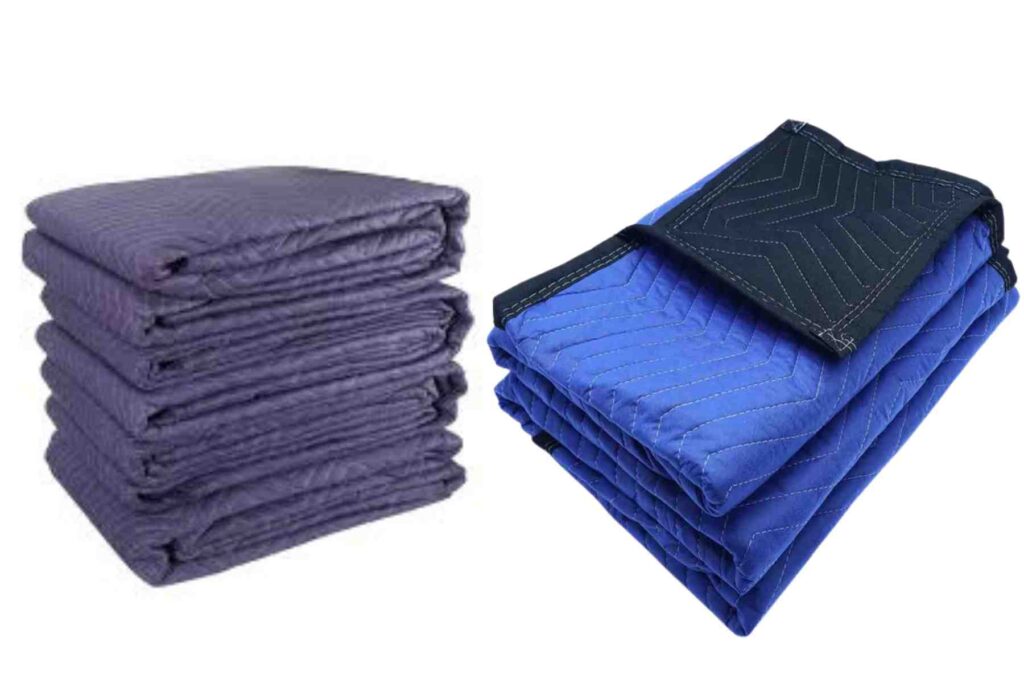
One of the most effective ways to protect furniture when moving to the coast is by using heavy-duty moving blankets, sometimes called moving quilts or furniture blankets.
These thick, padded blankets create a protective barrier around furniture during transport. Not only do they prevent scratches and dents, but they also reduce direct exposure to moisture and temperature changes while your belongings are being loaded, transported, and unloaded.
Professional moving companies rely on moving blankets because they’re designed specifically for transporting furniture—not just covering it.
For the best protection:
- Wrap wooden furniture completely with moving blankets.
- Secure the blankets using stretch wrap or moving straps.
- Protect corners with additional padding.
- Never place tape directly onto furniture surfaces.
- Keep furniture elevated inside the moving truck whenever possible to avoid standing water or damp floors.
If you’re packing your own move, investing in quality moving blankets is far cheaper than repairing damaged furniture after the relocation.
Let furniture adjust to its new environment
One mistake many homeowners make after moving to the coast is unpacking everything immediately.
Furniture that has travelled from a dry inland climate into humid coastal air benefits from a short adjustment period.
Allow wooden furniture to sit for a day before placing heavy objects on it or assembling removable parts.
This helps the materials naturally adapt to the new humidity levels, reducing the chance of warping or stress on joints.
Control humidity inside your new home
Protecting furniture doesn’t stop once the move is complete.
Simple habits can significantly extend the life of your belongings.
Consider:
- Using a dehumidifier in damp rooms
- Opening windows when weather allows
- Running extractor fans in kitchens and bathrooms
- Keeping wardrobes ventilated
- Using moisture absorbers inside cupboards
Maintaining balanced indoor humidity benefits not only your furniture but also clothing, books, electronics, and artwork.
Give wooden furniture regular care
Wood naturally absorbs moisture from the air.
To keep it looking its best:
- Dust regularly
- Apply quality furniture polish every few months
- Wipe away spills immediately
- Avoid placing furniture against damp exterior walls
- Use coasters and protective mats
These simple maintenance habits can prevent costly repairs later.
Don’t forget metal furniture
Many people focus on wooden furniture but overlook metal components.
Bed frames, patio furniture, office chairs, shelving, and appliances are all vulnerable to coastal corrosion.
Protect metal by:
- Wiping away moisture regularly
- Cleaning off salt residue
- Touching up chipped paint
- Applying anti-rust sprays where appropriate
- Keeping outdoor furniture covered during severe weather
Small maintenance routines can dramatically increase the lifespan of metal furniture.
These simple maintenance habits can prevent costly repairs later.
Choose experienced movers when moving to the coast
Professional packing and transport reduce the risk of moisture exposure before your furniture even reaches your new home.
At Key Moves, we carefully wrap, protect, load, and transport household furniture with the journey and destination in mind.
Whether you’re relocating from inland South Africa to the coast or moving between coastal cities, we help ensure your belongings arrive safely and ready for their next chapter. Moving to the coast has never been easier with Key Moves.
Frequently Asked Questions
Does coastal humidity damage furniture?
Yes. High humidity can cause wood to expand, fabric to become damp, leather to develop mildew, and metal to rust if not properly maintained.
Should wooden furniture be wrapped in plastic?
For short transport periods, plastic wrapping can help protect furniture. However, wood should not remain sealed in plastic for extended periods because trapped moisture can cause damage.
How can I stop mould on furniture after moving to the coast?
Improve ventilation, use moisture absorbers, clean furniture regularly, and keep humidity levels under control with a dehumidifier if necessary.
Is leather furniture suitable for coastal homes?
Absolutely. Leather performs well when regularly cleaned and conditioned to prevent drying or mildew caused by humid conditions.
Can professional movers help protect furniture from moisture?
Yes. Experienced movers use appropriate packing materials and loading techniques that minimise exposure to moisture during transport.
Moving to the coast? Move with confidence
Whether you’re relocating across South Africa or settling into your dream coastal home, Key Moves provides professional moving services designed to protect what matters most.
GET A FREE QUOTE